

- News
Autumn Budget 2026: What it means for our industry
With the dust settling on the Chancellor's Autumn Budget, our Construction Group MD, Paul Dodsworth, shares his key takeaways on what this year’s announcements mean for site delivery, project pipelines, and regional growth.
The Government’s continued focus on housing and regional growth is definitely a step in the right direction, but turning these big ambitions into real momentum means tackling both the new opportunities and the practical hurdles ahead. At the core of this Budget is a clear push to boost housing demand and expand affordable supply. A £1bn top-up brings total funding past £40bn under Homes England’s Social and Affordable Homes Programme, which alongside the new ‘Your First Home’ scheme and lower council borrowing rates, gives a strong nod to mixed-tenure and social housing. But while stimulating demand is vital, the real test is delivering actual homes on the ground.
Cutting back on unnecessary regulation changes and lowering brownfield barriers will help, but policy reform alone won't get projects moving if local planning authorities remain under-resourced. Council planning departments across the UK are still facing heavy backlogs. Without targeted support to speed up decisions and reduce escalating costs, ambitious housing targets will stay out of reach, especially with high interest rates, supply chain bottlenecks and persistent cost pressures. Real progress needs joined-up planning, key infrastructure backing, and genuine public-private collaboration across every region.
Investing in skills for the future
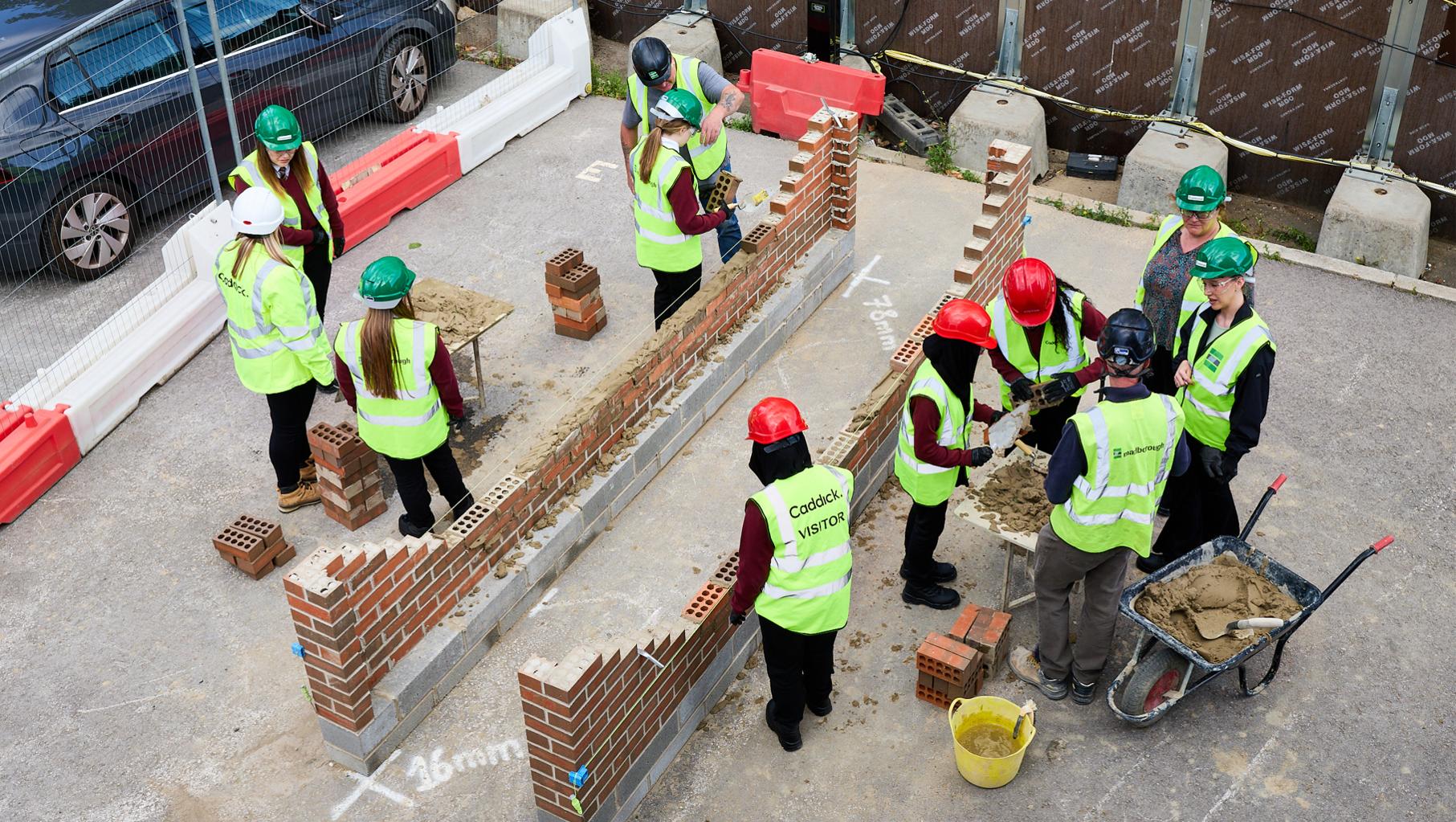
If economic growth is the goal, it has to mean direct investment in our workforce. Systemic skills shortages remain one of our biggest collective challenges, so recent steps like the £100m boost for the Local Apprenticeship Service are welcome. As employers, we're eager to continue to train and bring through the next generation of industry talent, but taking on apprentices requires genuine confidence in a long-term, reliable pipeline of work.
Regional devolution and infrastructure
The commitment to regional devolution, backed by £285m in seed funding and £1.5bn in new mayoral borrowing powers, brings huge potential for powerhouses across the North and the Midlands. But devolution works best when backed by a bigger picture strategy. Local leaders need overarching support spanning transport, industrial hubs, logistics and housing to build truly resilient regional economies.
Reopening and developing Doncaster Sheffield Airport is a great example of this broader opportunity. Its potential cargo capacity could anchor industrial growth and create local jobs, provided surrounding commercial schemes and infrastructure are planned hand-in-hand. Looking at our wider pipeline, expanding public sector and defence building programmes from 2027 sends a positive signal, though tight fiscal headroom means we must remain mindful of mid-cycle spending shifts.
Navigating cost pressures
Targeted energy cost support offers welcome relief for energy-intensive sectors, although a lot depends on how quickly those savings filter down through complex supply chains. Without broader relief, material costs and wage inflation will keep squeezing margins. While tax stability is appreciated, committing to direct employment, specialist skills, and capital investment ultimately comes down to one thing: clear, predictable project pipelines.
As we look to the months ahead, success will hinge on clear direction, meaningful public-private collaboration, and maintaining the momentum needed to turn policy into real progress on site.

